cation resin price
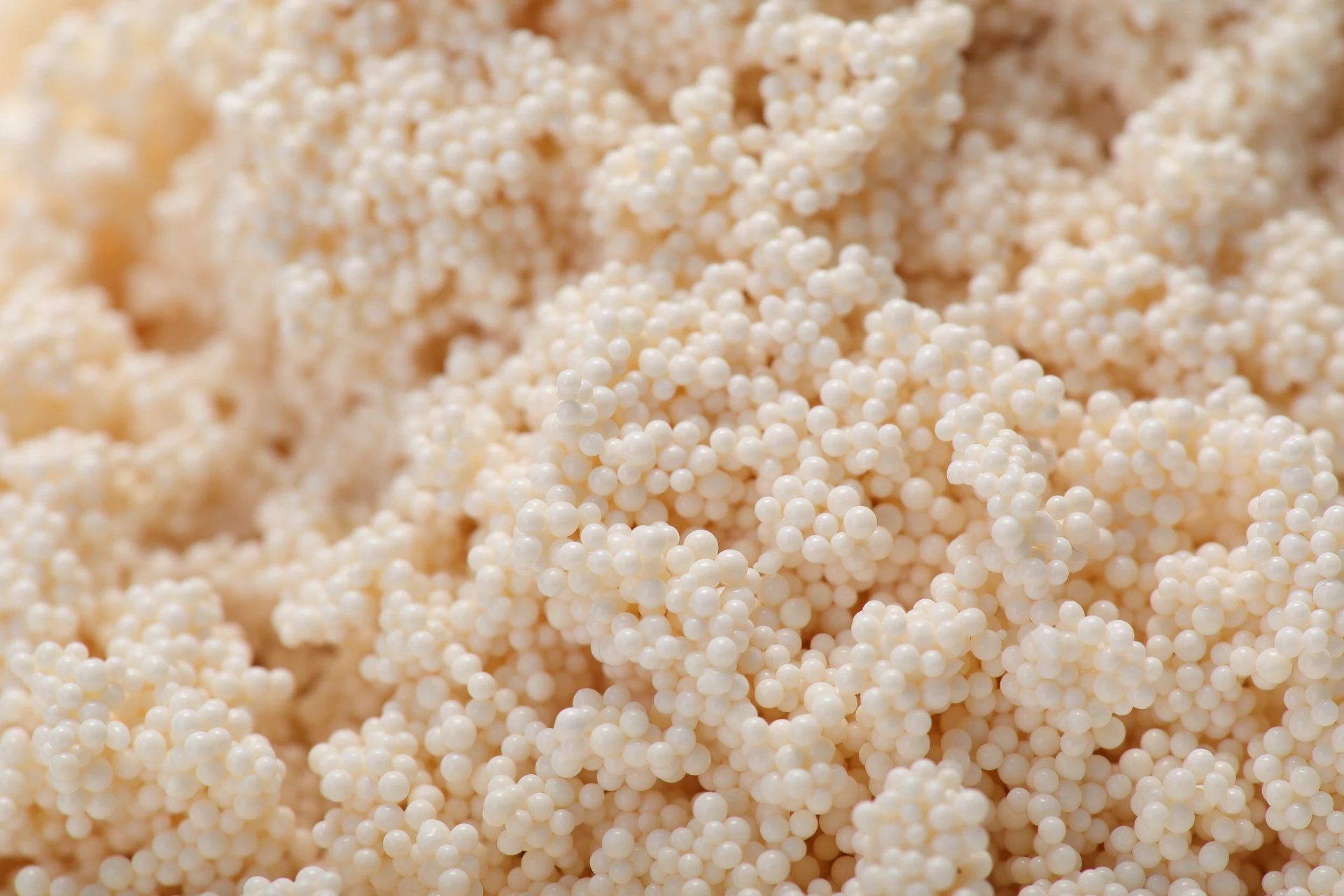
Understanding Cation Resin Price: The Backbone of Clean Water and Industrial Efficiency At first glance, the term cation resin price might sound like a niche industrial jargon best left to chemists and procurement specialists. But the truth is, it's one of those behind-the-scenes factors shaping global access to clean water, efficient manufacturing, and sustainable environmental solutions. Knowing why cation resin prices matter can unlock insights into water treatment economics, industrial resilience, and even humanitarian relief efforts. Put simply, cation resins are key materials in ion exchange processes—those vital chemical exchanges where positively charged ions (cations) in water or solutions are swapped to purify, soften, or recycle fluids. The cost associated with these resins ripples through industries as varied as municipal water plants, semiconductor manufacturing, and disaster cleanup operations. Understanding the price dynamics helps stakeholders balance quality and cost while advancing greener, more efficient technologies. Mini takeaway: The cation resin price is equally a financial number and a signal of how we value clean water and industrial sustainability worldwide. Global Context: Why Cation Resin Pricing is More Important Than Ever Water scarcity and pollution remain critical global challenges. According to the United Nations, over 2 billion people lack access to safely managed drinking water. Industrial sectors consume huge volumes of water too — often needing it to be ultrapure, as in pharmaceutical manufacturing or power plants. It's here the role of cation resins—and their price—cannot be overstated. India, China, the U.S., and parts of Europe lead markets that heavily rely on ion-exchange resins for water treatment, reflecting both environmental mandates and industrial demand. However, fluctuating raw material costs, supply chain bottlenecks, and geopolitical factors cause frequent ups and downs in cation resin prices. For example, the increasing cost of styrene and divinylbenzene—key monomers in resin production—can spike prices temporarily, putting pressure on water utilities and manufacturers alike. Challenges also include ensuring affordability for less wealthy nations where water treatment infrastructure is still evolving. The balancing act is tough, yet crucial. Mini takeaway: Global market and environmental trends directly impact cation resin price, with implications for development and sustainability. What Exactly is Meant by “Cation Resin Price”? 'Cation resin price' refers to the cost associated with acquiring cation exchange resins—special polymer beads that swap positive ions in liquid solutions. These synthetic resins consist of tiny, porous beads typically made from polystyrene and divinylbenzene, functionalized with negatively charged groups that attract cations like calcium (Ca 2+ ), magnesium (Mg 2+ ), and sodium (Na + ). In practical terms, the resin’s price considers its purity, ion-exchange capacity, durability, and manufacturer markup. The better and more efficient the resin, often the higher the price, but also the longer it lasts and the better performance it offers. Cation resins play outsized roles in softening hard water, a process critical for industrial boilers, food production, and even household appliances. They also support large-scale decontamination and recycling projects in the environment sector. Mini takeaway: Cation resin price reflects more than just the material cost; it embodies quality performance and application trustworthiness. Key Factors Influencing Cation Resin Price 1. Resin Quality and Capacity The higher the ion-exchange capacity and chemical stability, the pricier the resin. Materials that resist fouling or swelling often carry a premium but pay off in longevity. 2. Production Material Costs Raw materials like styrene and divinylbenzene fluctuate on raw markets. Some resins integrate specialized functional groups, raising costs further. 3. Manufacturing Process and Purity Advanced polymerization techniques improve quality but add to expenses. Resin purification and testing for contaminants also factor into cost. 4. Supply Chain and Logistics Transportation costs, import tariffs, and geopolitical factors influence final price. For example, delays from Asia-producing regions can increase delivery times and costs. 5. Scale of Purchase Bulk orders or long-term contracts often negotiate better prices. Small users or less frequent buyers might pay more per unit. 6. Regulatory Compliance Resins certified for food-grade or pharmaceutical applications undergo rigorous testing and certification, affecting price. Mini takeaway: Price factors mix chemistry, economics, and regulation—making cation resin pricing more nuanced than a simple commodity. Global Applications of Cation Resins Cation resins are indispensable worldwide in various sectors: Municipal Water Treatment: Softening and demineralizing water supplies to improve public health and infrastructure longevity. Industrial Manufacturing: Involving power generation, chemicals, pharmaceuticals — where precise water purity is critical. Environmental Cleanup: Used in treating industrial wastewater and in remediation of contaminated sites post-disaster. Agriculture: Softened irrigation water can improve soil conditions and crop yields. For instance, after the 2010 earthquake in Haiti, portable water purification units deployed cation exchange resins to quickly supply soft, safe water to thousands—showing humanitarian impact beyond industry. Mini takeaway: Real-world applications reveal cation resin price as part of life-saving and sustainability technology. Advantages and Long-Term Value of Optimized Cation Resin Pricing Paying attention to resin cost is not just about budget control—it’s about investing in: Cost Efficiency: Durable resins reduce operational downtime and replacement frequency. Sustainability: Using high-quality resins reduces waste and water usage, supporting greener industry. Safety and Reliability: Clean, softened water protects infrastructure and human health alike. Innovation Adoption: Competitive pricing encourages integration of novel resins with enhanced features. Emotionally, reliable water treatment enables community dignity and trust. The logic is clear—a justified price means fewer failures, better long-term outcomes. Product Specification Table: Typical Cation Resin Attributes Specification Value/Range Unit Ion Exchange Capacity 1.7 - 2.0 meq/mL (dry) Bead Size 0.4 - 1.2 mm (diameter) Moisture Content 45 - 55 % (wet basis) Operating pH Range 1 - 14 pH units Max Operating Temp 100 °C Vendor Comparison: Leading Cation Resin Suppliers Vendor Price Range (USD/kg) Typical Applications Notable Strength IonPure Inc. 12 - 18 Water Treatment, Food Grade High Purity Resins ResinTech Solutions 10 - 15 Industrial Boiler Water Robust Durability SW Chem 9 - 14 Wastewater Treatment Cost-Effective Options H2O Plus 11 - 17 Pharmaceutical, Food & Beverage Food-Grade Certification Emerging Trends and Innovations in Cation Exchange Resins Industry insiders say the future of cation resin technology is moving toward greater sustainability and smarter deployment. For instance: Green Materials: Research into bio-based polymers aims to reduce environmental footprints in resin production. Functionalized Resins: Enhanced selectivity and regeneration efficiency help reduce resin consumption over time. Digital Monitoring: Sensors and IoT integration for real-time resin performance data to optimize replacement cycles. Reusable Resins: Advances in regenerability lower total system cost and waste. All these trends intersect with pricing, as upfront costs might be higher but lead to longer-term savings and environmental benefit. Mini takeaway: Technological progress is reshaping cation resin price dynamics, blending cost with ecological responsibility. Common Challenges and How Industry Approaches Them Certain limitations persist. Price volatility due to raw material dependency can surprise budgeting groups. Additionally, resin fouling by organics or bacteria reduces lifespan, creating hidden costs. Solutions include: Supplier diversification to hedge material risks. Using pre-treatment steps to minimize fouling. Innovating resin formulations for enhanced bio-resistance. Adopting predictive maintenance supported by digital tools. While not perfect, these strategies shrink risk and improve performance, a clear win. Frequently Asked Questions About Cation Resin Price What factors most influence the cost of cation resins? The primary factors include raw material costs (styrene, divinylbenzene), resin quality and capacity, manufacturing complexity, supply chain logistics, and certifications. Bulk purchasing and vendor relationships also impact pricing substantially. How often should cation resins be replaced in industrial applications? Replacement frequency varies from 1 to 5 years depending on water quality, operational conditions, and resin type. Regular monitoring improves lifecycle management and cost efficiency. Are cheaper cation resins always less effective? Not necessarily. Cost-effective resins may serve well in lower-spec applications, but higher-grade resins provide better durability, capacity, and regeneration potential. It's about matching resin specs to needs. Can cation resins be reused or regenerated? Yes. Most cation resins are regenerated using salt or acid solutions, extending their useful life and reducing overall costs—key to sustainability efforts. How do import tariffs affect the cation resin price? Tariffs add to landed costs, sometimes substantially. This can delay projects or shift sourcing to local suppliers if viable, impacting procurement strategies globally. In Closing: Why Understanding Cation Resin Price Matters Whether you’re a municipal planner, an industrial procurement officer, or an NGO coordinating clean water projects, grasping the nuances of cation resin price equips you to make smarter, more sustainable decisions. It’s a delicate dance between economics, technology, and humanity’s needs. If you’re looking to stay ahead of market trends or source reliable, cost-effective resins, visit our website: https://www.lijiresin.com . References: 1. United Nations Water Scarcity Report 2. ISO 9001: Quality management systems - Requirements 3. World Bank Data on Global Water Usage
-
 Strong R & D Capability And Experienced Technical Team
-
Provide Customers With Competitive And Differentiated Products